Five Tips to Save Money with a Vegetable Garden
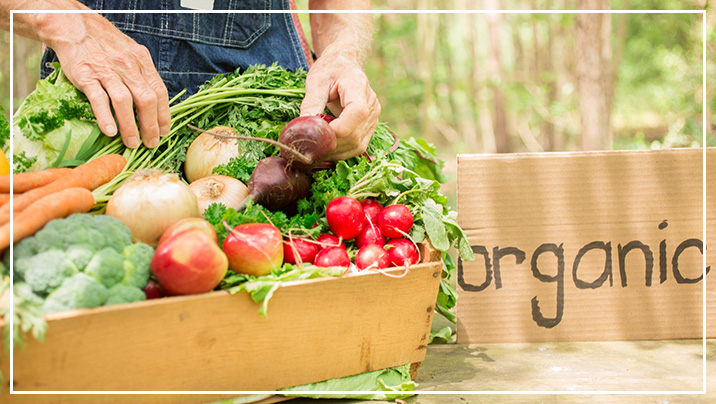
A humorous book was written by William Alexander, “The $64 Tomato.” He was on a quest for the perfect garden and keeping track of all his expenses for tools and equipment, and the ongoing soil amendments, fertilizers, irrigation, etc. the costs added up quickly and with the yield he was able to eat –each tomato cost $64! Contrast that with an aeroponic gardener who did the same keeping track of his costs for his produce and found he saved $50 a month on their food bill! Luckily there are strategies for lower costs and maximum yield. Here are some tips.
- Make a list of vegetables you like. You will be more motivated to care for what you look forward to eating! Get a local planting guide for your area via website search where you enter your zip code, or from your local county Extension office. There are great sources of seeds to grow varieties of produce that aren’t available in stores such as Johnny Seeds which has a high germination rate and good customer support.
- Select vegetables that are easily stored. Onions, potatoes, and winter squash can be stored for several months at the right conditions. Others freeze well like beans, snap peas, cauliflower, broccoli, carrots, beets, brussels sprouts, celery, okra, and leafy greens if you like green smoothies. And if you are into canning, tomatoes are popular to grow (determinate tomatoes ripen at the same time) because you can pick them when they are full of flavor. You can’t buy vined ripened at the grocery store!
- Select vegetables that can be scarce or expensive to buy. Buy seeds for those types of produce you buy a lot of, or spoil quickly. If you are a beginner, start small and choose ones that are easier to grow. Join a community of gardeners to get tips for better results.
- Have a hybrid style garden. Grow your lettuces, chard, spinach, collard, and tomatoes in the vertical gardening system. You will avoid ground pests, there is no weeding, and plants will grow earlier, faster, bigger, and longer. It needs only 10 % of the space, is easier on the back, and only needs 10% of water with a dense mineral blend that will save you time and money. You will especially want to grow kale aeroponically, as they tend to pull toxic heavy metals from the ground into the plant. Make sure any plastic unit is made with virgin, food grade plastic! Grow your root veggies (which needs to grow in the dirt) and sprawling plants such as squash and melons, and if you prefer the one and done plants such as broccoli, cabbage, cauliflower, and brussels sprouts in the ground. Utilize companion planting or pest resistant plants to help minimize the struggle with ground pests. Remember to plant to feed the bees!
- Recycle for savings. Create compost fertilizer with kitchen scraps, eggshells, grass clippings and leaves, and cardboard. It takes 6 months with the proper turning and moisture for it to break down for use. Harvest and store rain. Save seeds and grow from seeds.
Gardens are a boost in food security, is easier on the planet (most food is trucked an average of 1500 miles!) and can be both relaxing and rewarding. It provides maximum nutrition as it elevates the experience of a meal for fresh tastes best.
God has destined us for acquiring salvation through our Lord Jesus Christ. He died for us, that all of us, whether awake or asleep, together might live with Him. 1 Thessalonians 5:9-10
Read More:
Cooking Up a Green Kitchen
Natural Relief for Allergies
Cool Raw Blueberry Pie












 SINCE 1979