


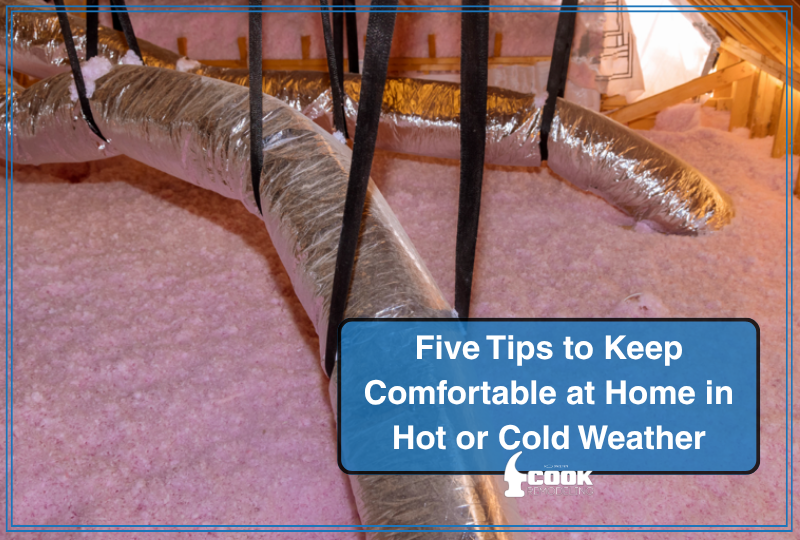
When temperatures soar in the summer or dip during the winter, many homeowners look to the cooling and heating system for a fix. But often, the real issue forcing your HVAC system to work harder, longer, and less efficiently is hidden in the attic. The good news? Some of the most effective green remodeling upgrades will make a difference in feeling more comfortable, while also providing the bonus of saving on utility bills.
Older windows can allow temperature transfer even when they are closed tightly. Single-pane glass, worn seals, or outdated frames can let summer heat pour in and winter cold seep inside.
Today’s energy-efficient windows are designed with features such as:
The result is a home that feels more comfortable year-round with fewer hot and cold spots near windows. New windows can also protect furnishings and flooring from UV damage. If you already have energy-efficient windows, make sure they remain well sealed.
One of the biggest hidden problems in homes is insufficient attic insulation. In Arizona and other hot climates, the attic can reach temperatures well above 130 degrees in the summer! Many older homes simply do not meet today’s recommended insulation levels. Insulation naturally settles over time, losing its needed depth and allowing heat to radiate through the ceiling. Ductwork seals and attic insulation can lose their integrity over time, making the air conditioner work longer and harder to deliver cool air in summer and warm air in winter.
Insulation and ventilation work together. Without proper attic airflow, heat becomes trapped and can shorten roof life while making the home harder to cool. Some solutions include adding an attic fan to pull in cooler air when the attic is hotter than the outside temperature. It can also pull in cooler air at nighttime. Another bonus to consider is a whole house fan. It brings cooler air through the home and into the attic, helping circulate fresh air. When redoing the roof, install a ridge vent at the peak to allow hot air to escape.
Proper attic ventilation not only removes trapped heat but also reduces moisture buildup. It also helps extend the life of roofing materials while improving overall energy efficiency.
An older exterior door with poor insulation or worn seals can transfer outdoor temperatures directly into the home. Modern insulated doors help maintain indoor temperatures and, besides improving energy efficiency, can also reduce noise, improve security, and increase curb appeal.
Ceiling fans do not actually cool a room, but they help circulate air and make rooms feel more comfortable. In summer, fans should rotate counterclockwise to create a cooling breeze. In winter, reversing the direction helps push warm air back down into living spaces.
This simple adjustment can improve comfort without changing thermostat settings.
Comfort starts with the home envelope—the combination of insulation, windows, doors, air sealing, and ventilation that keeps outside temperatures from affecting the indoors. Sometimes the best home remodeling investments are the ones you feel every single day — even if you don’t always see them.
Happy Green Remodeling!
Recent Posts:








 SINCE 1979