


Today’s packaged foods often contain ingredients far removed from whole, recognizable foods. Learning to decode labels empowers you to avoid unnecessary additives, inflammatory oils, excess sugars, and ultra-processed fillers — and make better choices aligned with your health.
The chemical Monosodium glutamate (MSG) and related ingredients are commonly found in highly processed foods. It is considered an excitotoxin, the body goes into overdrive to try to purge it. Even when “MSG” isn’t listed, similar compounds may appear under different names, such as:
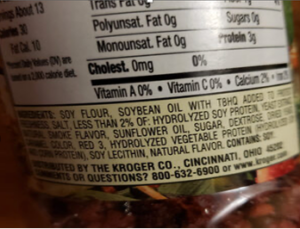
These ingredients enhance flavor and can encourage overeating. When possible, choose foods with simple, recognizable ingredients.
Sugar adds extra calories without nutritional value. It often appears under multiple names. It is addictive and is fuel for bad bacteria and parasites which drive cravings. Do NOT substitute artificial sweeteners (saccharin, aspartame, sucralose/Splenda). Common forms include:
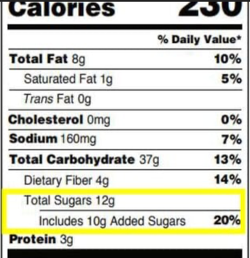
Smart tip: Also check the Nutrition Facts panel. Products low in fiber and protein can cause faster blood sugar spikes. When having a treat, limit the sugar amount to 10 grams per serving, and how much is a serving size! When eating, set on your portion in dishware, so one isn’t mindlessly grabbing cookies out of the package or eating ice cream out of the carton.
Many packaged foods contain highly refined vegetable (seed) oils such as:
These are commonly used in ultra-processed foods. For less processed options, look for products made with olive oil, avocado oil, butter, or coconut oil. Always avoid partially hydrogenated oils (trans fats).
Many packaged foods include inexpensive fillers to improve texture, appearance, extend shelf life, or reduce manufacturing costs.
Common fillers to avoid:
A good rule of thumb: Shorter ingredient lists generally indicate less processing.
Under U.S. labeling laws, products containing genetically modified ingredients must be labeled. It may say, “Bioengineered Food,” use a symbol, have a QR code linking it to a page that says it is bioengineered, or just putting a phone number to request more information satisfies the labeling requirement. One needs to carefully check!
To reduce exposure:
Before purchasing, ask:
✔ Do I recognize and pronounce most ingredients?
✔ Would I cook with these ingredients at home?
✔ Is sugar listed multiple times under different names?
✔ Are refined seed oils among the first ingredients?
✔ Is the list longer than expected?
Focus on whole, minimally processed foods whenever possible. When buying packaged products, let simplicity guide you. Know that major food conglomerates are buying healthy family owned brands and changing the ingredients such as Kashi cereal and bars, Bear Naked Granola, Peace cereal, Annie’s Homegrown, Applegate Farms, Braggs to name a few.
Reading labels is not about perfection — it’s about awareness. And awareness is the first step toward better choices. If you do not recognize an ingredient, your body probably won’t either. The good news is, if you are in a hurry, or if the print is hard to read, there are bar scanner apps to get a quick rating of how healthy it is, if it is recommended!
Here is a resource of the healthy brands that have been bought out by large conglomerates–some may surprise you!
At the end of ten days it was seen that they (who ate vegetables and drank water) were better in appearance and fuller in flesh than all the youths who ate the king’s food. Daniel 1:15
Recent Posts:









 SINCE 1979