


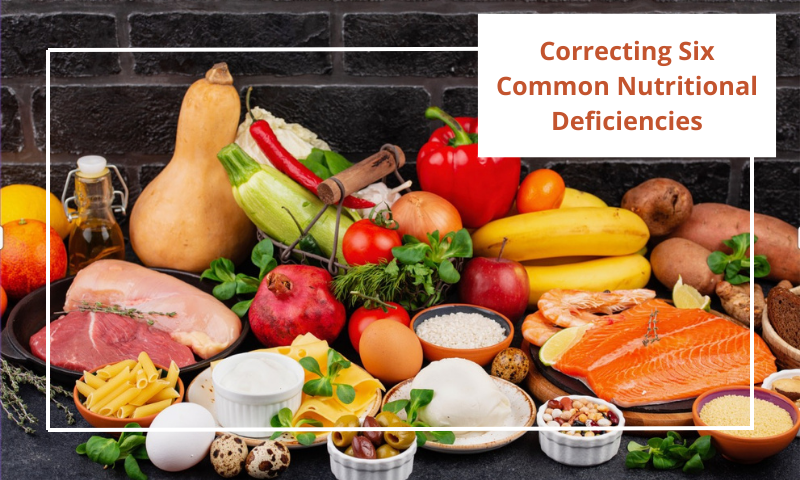
Most people are not eating enough of nutrient dense foods for our body’s cellular well-being. Because we adapt, we can be unaware the struggle our body is having until there is a disease crisis. These common nutritional deficiencies in the Standard American Diet can cause problems such as chronic fatigue, inflammation and pain, bone and muscle weakness, high blood pressure, emotional stress, brain fog, even difficulty seeing at night. As we age our digestive system does not work as efficiently in extracting nutrition making our food choices even more important. Most believe taking a multi-vitamin will take care of it, but our bodies are made for food and research shows vitamins do not help, and over time, vitamins are harmful so are no longer recommended. It is best to make dietary adjustments to add a greater variety of plants, for no one food has all that we need. Here are essential nutrients listed from greatest deficit to the least.
Vitamin D, deficit in 95% of the population, helps the body absorb calcium, helps nerve health and message transmission from brain to body, improve sleep, and helps the immune system fight off infection and rogue cells (cancer and autoimmune disease), and avoid hypertension. Found in:
Vitamin E, deficit in 90% of the population, helps protect cells from free radical damage, supports the immune system, helps prevent blood clotting, supports vision, brain health, nerve communication to muscles. It is found in:
Magnesium, deficit in 50% of the population, helps with muscle and nerve function, managing blood sugar, regulating blood pressure, making protein, bones, and DNA. Found in:
Vitamin C, deficit in 46% of the population, helps the body produce collagen, a structural protein found in skin, bones, tendons, and cartilage. It is needed for wound healing and immune support. It is found in:
Vitamin A, deficit in 45% of the population, helps the body grow, have healthy eyes, teeth & bones, and skin. It helps with red blood cell production, and is important for the unborn baby’s development. There are two types
Calcium, deficit in 40% of the population, important for bones and teeth, blood clotting and heart function, muscle relaxing. Found in:
Note: dairy is often recommended, but since it is acidic, it pulls calcium from the bones to alkalinize it, leading to osteoporosis
Other nutrients people are lacking their sources include:
Iron: animal products, white & kidney beans, whole grains, green leafy vegetables
B-12: red meats (do not char, use digestive enzymes), nutritional yeast
Zinc: red meat, shellfish, legumes, seeds & nuts, whole grain, eggs
Potassium: avocado, baked sweet potato, spinach, watermelon, coconut water, legumes, butternut squash
Folic Acid: fruits & vegetables (9-13 cups a day, these juiced, dried plant powders will help you get there.)
Choline: egg yolks, liver, cruciferous vegetables
Omegas: Fish oil supplementation is not recommended. A great source of essential Omegas with DHA and EPA are these plant-based Omegas.
Quality of food determines the amount of nutrition it contains. Factors like being doused with toxic chemicals and the age of the food will lower the nutritional levels. Ideally, grow your own mineral dense organic with an easy garden system at home indoors or out, shop at local farmers markets and buy just picked organic produce. Avoid processed food which is stripped of nutrition.
Then God said, “Behold, I have given you every plant yielding seed that is on the surface of all the earth, and every tree which has fruit yielding seed; it shall be food for you. Genesis 1:29
Disclosure: This contains affiliate links. If you purchase through my link, I can receive a small commission, but it will not affect your purchase price. I only recommend what I have researched, love and what I use and recommend to all my friends.
The 2024 Cost of Remodeling vs Value Return Report









 SINCE 1979